

Not many people think about what happens to their kid's old clothes after they're donated. At least I never used to. Putting them in a bag and dropping them off at a donation site feels like the responsible thing to do. But here's the part nobody tells you…only 10-20% of donated clothes end up on local store racks. The rest mostly end up in landfills or exported overseas.
June 5th is World Environment Day. This year's theme is “Inspired by Nature. For Climate. For Our Future.” It's a good moment to take a step back and look at the system we've all inherited, especially those of us buying clothes for kids who outgrow them within a year or even less.
The Linear System Designed to Shift the Burden
Donating outgrown clothes feels like a solution, but unfortunately it’s simply shifting the burden rather than solving it. The real issue is a system built on cheap, fast, wear-it-twice clothing that can't hold up to being handed down for more children to wear.
And let me be clear, I’m not blaming the donation facilities…they’re simply trying to provide a solution. But when you’re up against a fashion industry that pumps out roughly 80 billion new pieces of clothing per year (400% more than two decades ago), and a market where the average American generates 82 pounds of textile waste annually, there’s only so much stuff donation facilities can sort and handle.
What a Circular System Actually Looks Like
At Loop Apparel, we think the goal isn't to make parents feel guilty about buying clothes. Kids need clothes. The question is whether those clothes and businesses are designed and built to keep items in circulation.
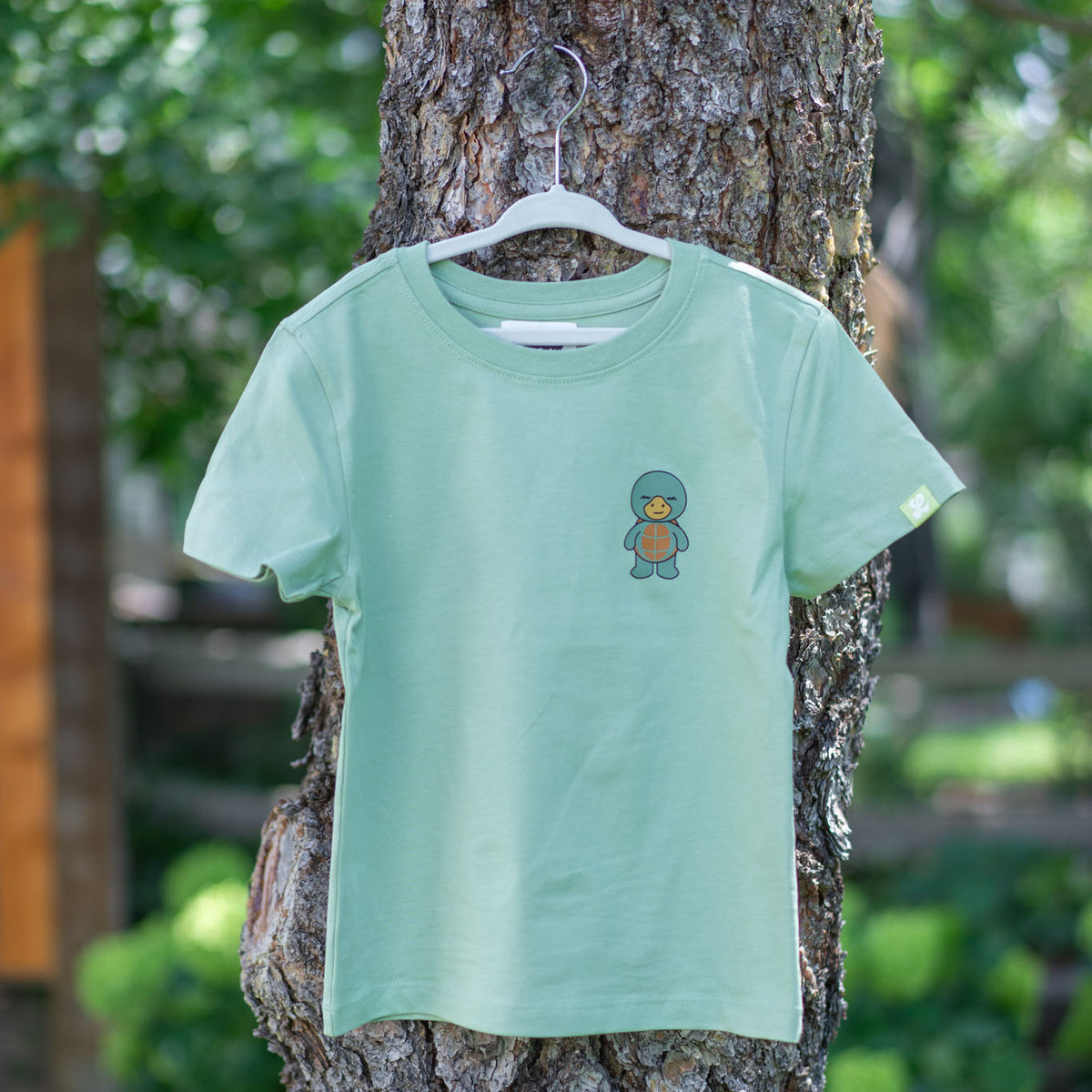
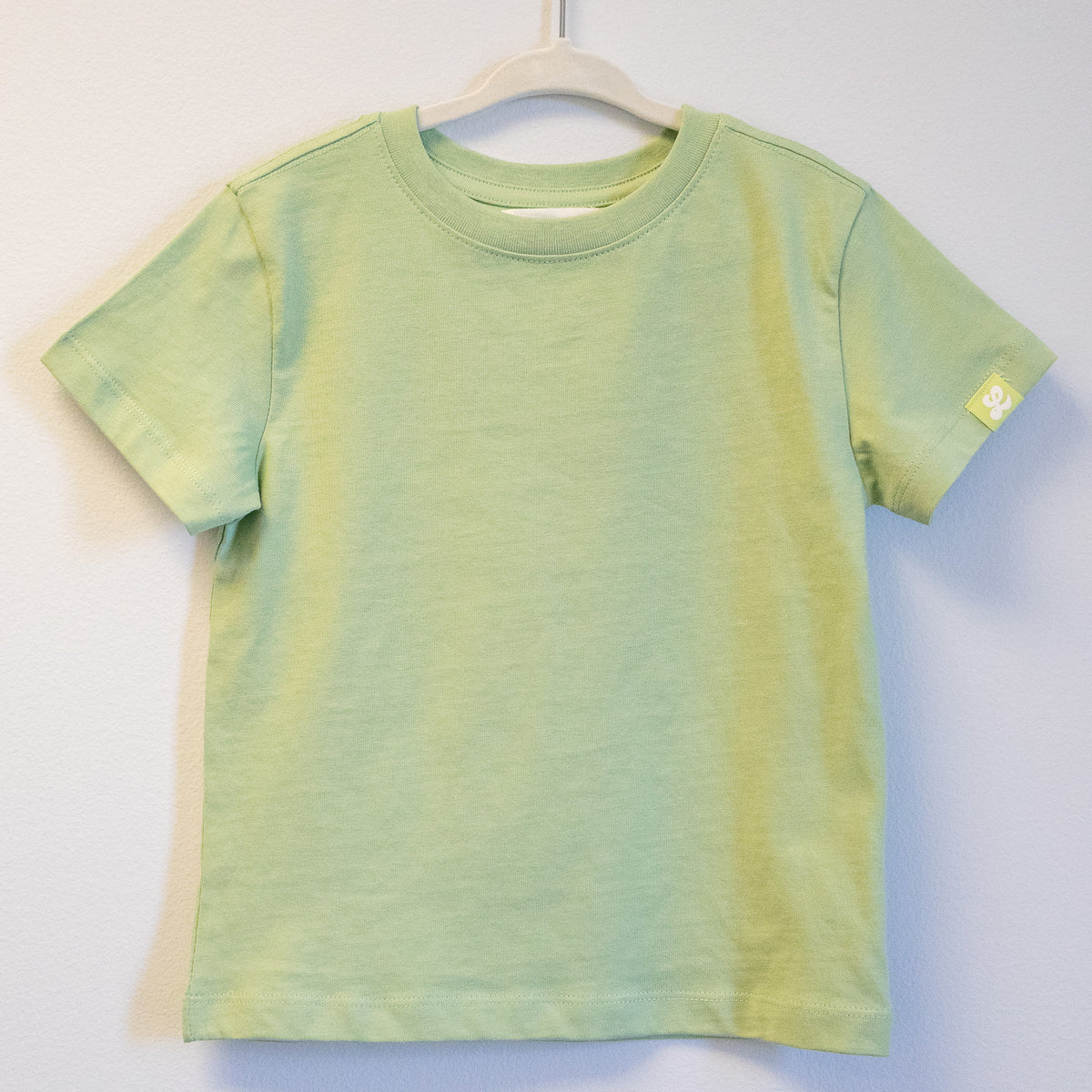
Our clothes are made from 100% organic cotton, designed to last beyond a single season, and survive the wear and tear of multiple kids. When your child outgrows them, you send them back through our Trade-In Program and get 20% off the next size up. We refresh and resell them right on our site for the next kid to wear. The clothes keep moving. They stay useful. They stay out of the landfill.
Sure, at some point, the item becomes too damaged to be resold, at which point we have recycling partners to make sure that they don’t end up in landfills. But that's what circular fashion actually means: not defaulting to recycling, but designing for reuse from the beginning.
3 Things You Can Do Right Now
- Buy fewer, better pieces. One well-made organic cotton top that lasts two years beats five cheap ones that pill or tear after five washes.
- Pass clothes forward, not just to thrift stores. Find a parent with a younger kid and hand clothes directly to them. It's the most reliable path to reuse.
- Ask brands one question before you buy: "What happens to this when my kid outgrows it?" If a brand doesn't have an answer, that tells you something.
This World Environment Day, the most powerful thing you can do isn't a pledge or a hashtag. It's buying differently, and keeping what you buy in circulation longer.
Join our community and stay in the loop for new blogs, new products, and updates. Drop us your email below. 🌱